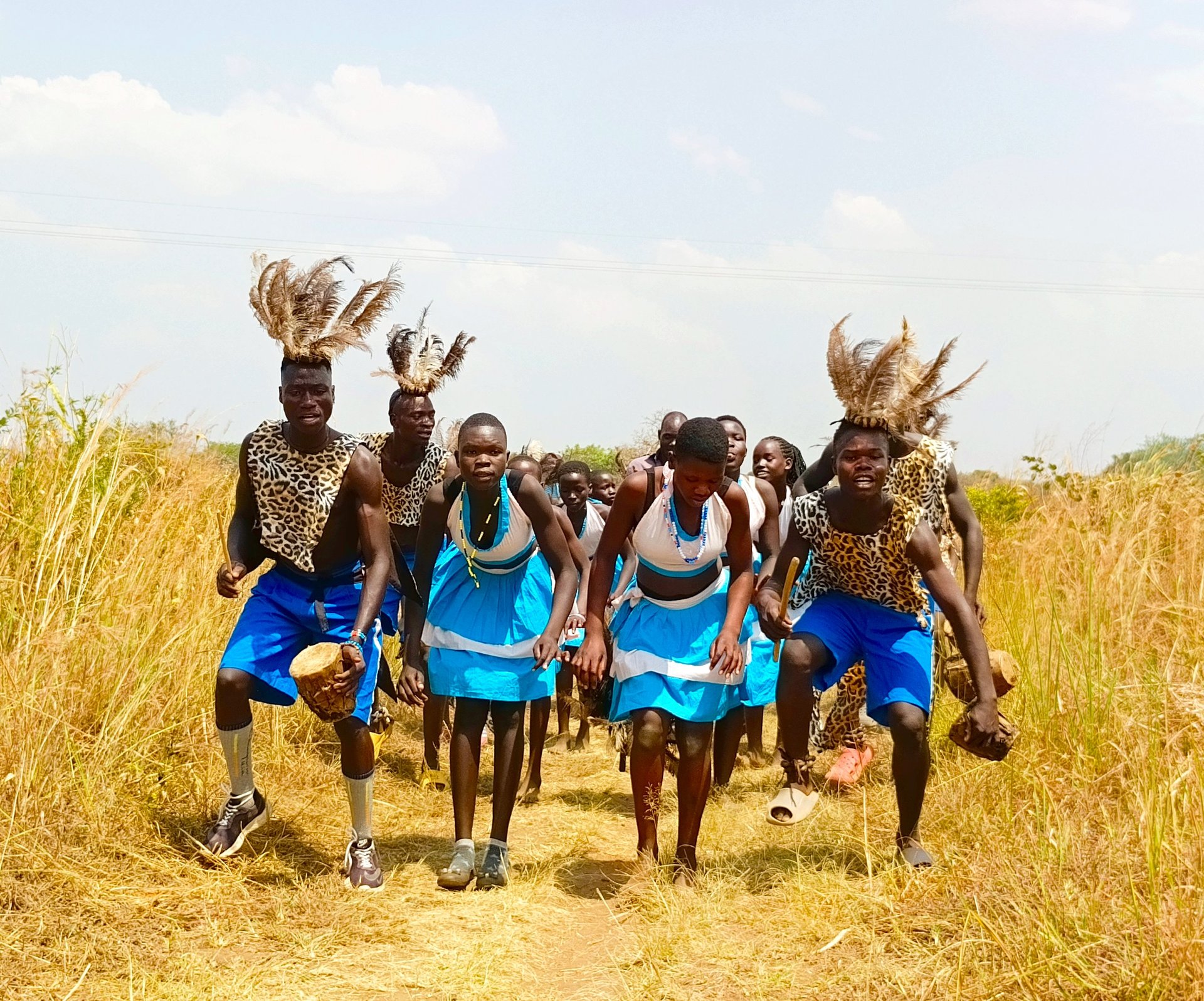
Beyond the savanna and wildlife lies the heart of Uganda — where ancient traditions dance to drumbeats older than memory, where stories are told around fires that have burned for generations, and where every meal is a celebration of land and community.
In the lands of the Acholi people, culture isn't something preserved behind glass — it's alive, breathing, and waiting to embrace you.
The Acholi people are the second-largest ethnic group in Uganda, with deep roots in the fertile lands of Northern Uganda. For over 500 years, their culture has thrived — built on principles of patrilineal heritage, oral storytelling, and an profound connection to the land they call Acholi.
Unlike the wildlife-centered tourism that draws many to Uganda, cultural tourism here offers something rarer: genuine human connection. When you visit Acholi communities, you're not observing from a distance — you're welcomed into homes, invited to share meals, and trusted with stories that have been passed down through generations.
Our cultural tours are led by local Acholi guides who grew up in these traditions. They don't just show you their culture — they share it. Every interaction becomes a two-way exchange of humanity and understanding.
"Pato" — communal labor that builds bonds between neighbors
Stories, proverbs, and history preserved in spoken word
Movement tells stories words cannot express
Spiritual bond with the earth and ancestral spirits
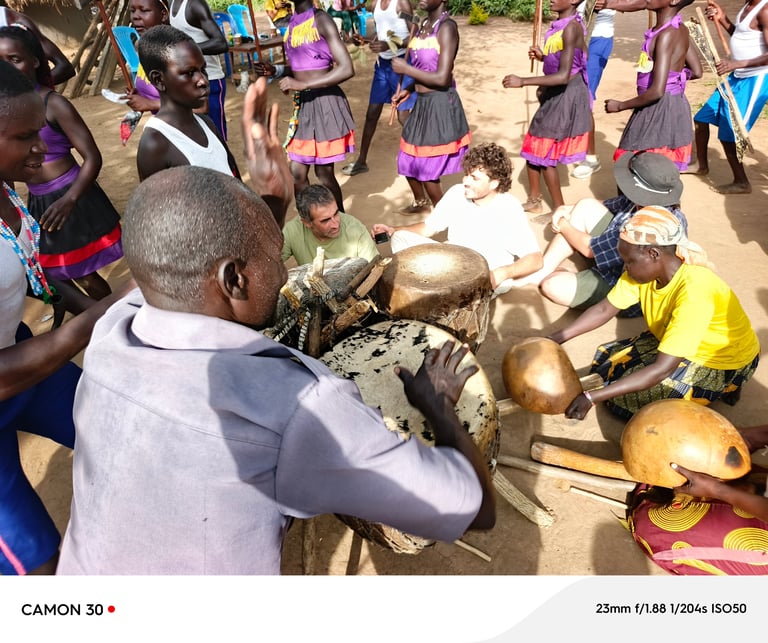
"Lag n lawa ma i tye kube" — "Yesterday is like a dream, tomorrow is like a vision"
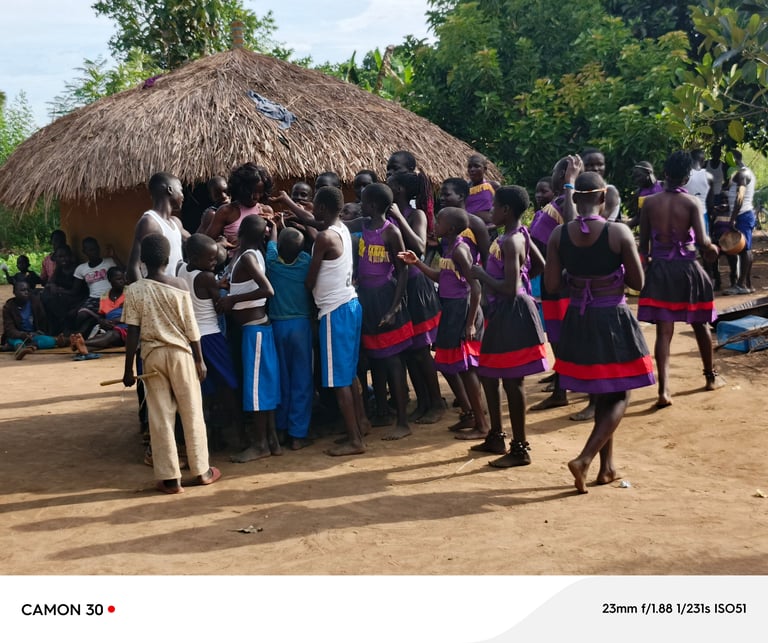
In Acholi culture, dance isn't performance — it's communication. Every movement tells a story, every drumbeat carries meaning. To witness and participate in these dances is to understand the soul of a people.
Performed exclusively for the King (Rwodi) of Acholi, Bwola is the most prestigious of all Acholi dances. Men and women form two facing lines, swaying gently while a lead drummer sets the hypnotic rhythm.
The dance mimics the movements of animals — particularly the slow, dignified walk of the royal elephant. Participants move with controlled grace, their feet barely leaving the ground, their eyes fixed on the drummer.
During your visit, you may witness Bwola performed for visiting dignitaries, during cultural festivals, or — if you're truly fortunate — during a private performance arranged by local chiefs. It's a humbling experience that few outsiders ever see.
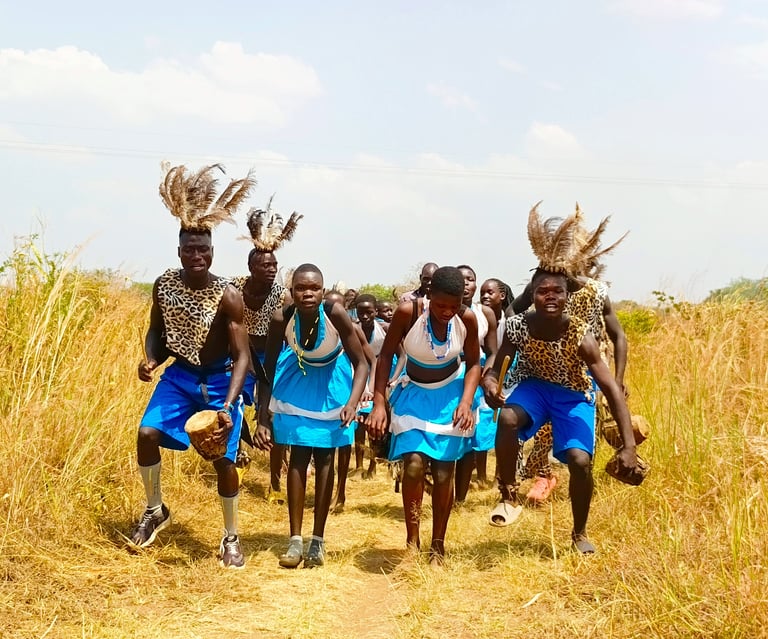
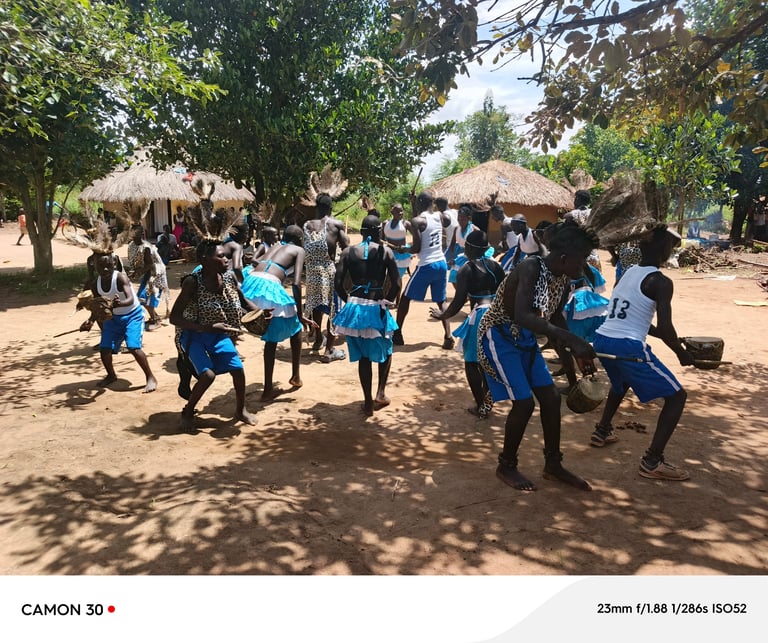
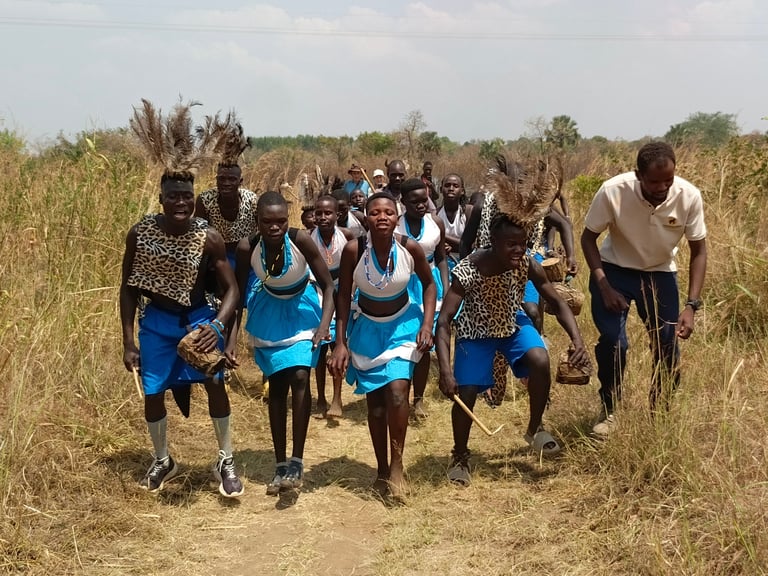
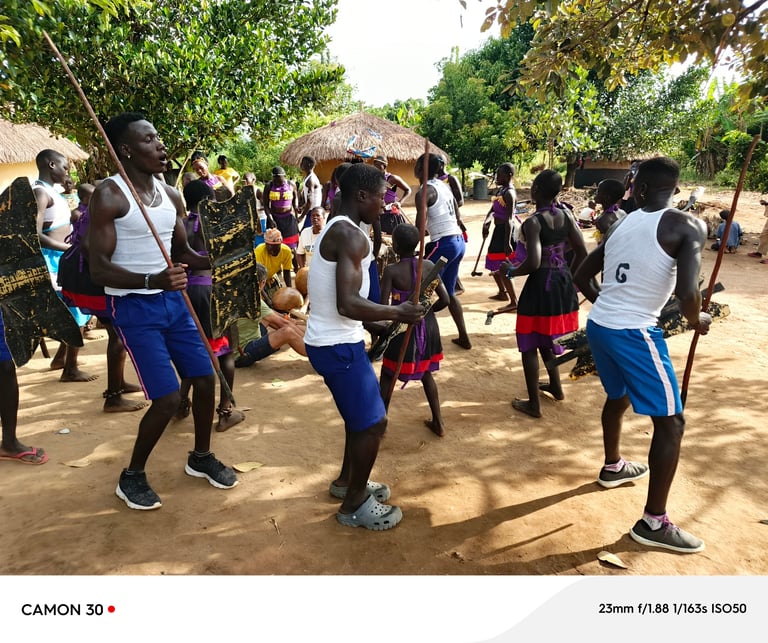
Warrior's Dance of Love
A graceful courtship dance performed by young women, Larakaraka tells the story of romantic pursuit. The dancer sways and bends, mimicking the movements of a bird building its nest, while male drummers provide the rhythm. It's playful yet profound — an ancient celebration of love and fertility.
Performed at weddings and cultural festivals
The Hunting Dance
Otole recreates the drama of the hunt. Dancers crouch, leap, and stalk across the performance space, embodying hunters tracking their prey. The dance is athletic and intense, with sharp movements punctuated by rhythmic stomping. It honors the hunter's skill and the community's reliance on the land.
Performed at warrior ceremoniesA playful, energetic dance performed by young people during celebrations. Fast-paced and joyful, it's the Acholi equivalent of a dance party — infectious and impossible not to smile at.
The xylophone-based music played during naming ceremonies and celebrations. The resonant sounds of the log xylophone create an otherworldly atmosphere.
Ritual dances performed by women during harvest festivals, honoring the earth and ancestors. Slow, deliberate movements with powerful symbolism.
During cultural tours, visitors often have the opportunity to learn basic dance moves from local performers. It's a joyful, humbling experience that creates lasting memories.
Arrange a Dance ExperienceFood in Acholi culture is more than sustenance — it's a language of love, community, and identity. To share a meal with an Acholi family is to be welcomed into their most sacred space. The flavors you'll discover here come from recipes passed down through countless generations.
A beloved sour leaf stew that defines Acholi cuisine. Made from the leaves of the malakwang plant (Hibiscus acetosella), this dish combines the tangy flavor with groundnut paste, okra, and often fish or meat. The result is a complex, deeply satisfying stew that pairs perfectly with ugali or posho.
Often served at celebrations and family gatheringsThe cornerstone of the Acholi diet — a dense, porridge-like staple made from millet, sorghum, or maize flour. Kwon is eaten daily, often with fingers, and forms the foundation of meals. It's humble but essential, providing energy and binding families together around the table.
The dish of home — every Acholi person has kwon memories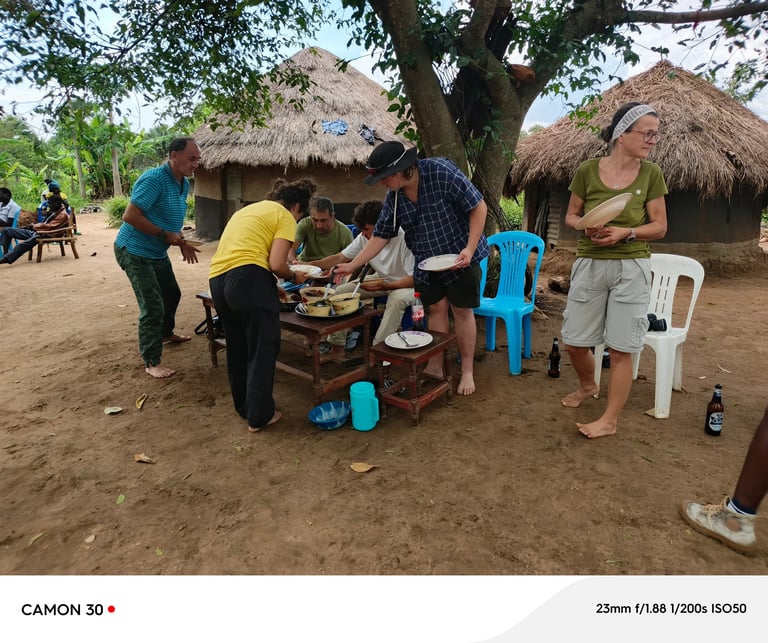
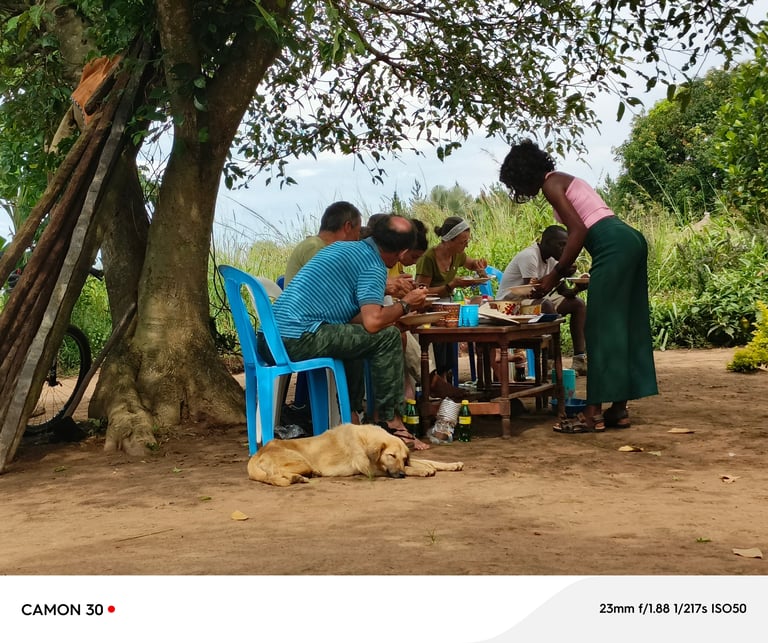
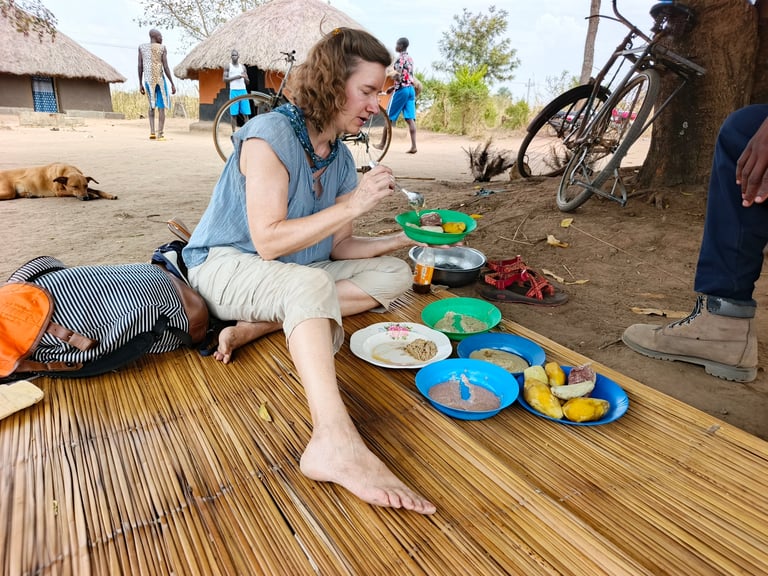
Traditional fermented millet or sorghum drink — refreshing and nutritious
Fresh fish from Lake Albert — a Northern Uganda delicacy
Maize porridge — the perfect accompaniment
Groundnut sauce with greens
Millet bread — traditional and filling
Tiny silver fish — protein-rich delicacy
The most authentic culinary experience isn't at a restaurant — it's in a home. Our cultural tours can arrange home-cooked meals with local families, where you'll taste dishes made with love and hear stories passed down for generations.
Book a Culinary ExperienceCultural tourism at its best isn't about watching from a distance — it's about connection. When you visit Acholi communities, you're not just a tourist; you're a guest, a friend, and a bridge between worlds.
40% of tour revenue goes directly to community projects and local families
Our cultural tours are built on partnerships with local communities, not just visits to them. When you travel with Rio Safaris Uganda, you're supporting schools, healthcare initiatives, and sustainable livelihood projects that make real differences in real lives.
Visit the Jinja Community Center, where youth programs teach traditional crafts and provide safe spaces for young people. Spend time at the Women's Cooperative, where Acholi women produce and sell traditional crafts, using their skills to support their families.
These aren't charity visits — they're exchanges. You bring curiosity and respect; they share culture, wisdom, and friendship. Everyone leaves richer.
South of Acholi land lies the homeland of the Karamojong — Uganda's last great pastoralist people. For centuries, they've lived as their ancestors did, moving with vast herds of cattle across the semi-arid Karamoja region.
To the Karamojong, cattle aren't just wealth — they're life itself. Cattle provide milk, blood (a delicacy), hides, and status. A man's wealth is measured in cows, and the bond between man and beast is sacred.
During our Karamojong experiences, you'll visit traditional manyattas (fortified villages), witness the famous cattle dances, and hear stories of survival in one of Uganda's harshest environments. It's a culture rapidly disappearing — an experience you'll never forget.
The Karamojong are intensely proud of their traditions. Photography and interaction should always be done respectfully, with permission. Our guides will facilitate meaningful exchanges while honoring their customs.

Spend a night with an Acholi family. Sleep in traditional accommodations, eat their food, hear their stories.
Learn traditional crafts — pottery, basket weaving, bead-making — directly from master artisans.
Visit local schools, meet students, and contribute to educational initiatives supported by tourism.
Travel to Karamojong lands and experience traditional pastoralist life in authentic manyatta villages.